Garzón, a village in the Maldonado department of Uruguay, went from a near-empty rural hamlet to a wine-tourism destination known well beyond the country's borders. The turning point was the arrival of Bodega Garzón and, inside it, the restaurant that carries the name of chef Francis Mallmann.
The winery, driven by businessman Alejandro Bulgheroni, opened in March 2012 after an investment of roughly US$85 million. The roughly 19,000 m² building was designed by the Mendoza-based studio Bórmida & Yanzón, with interiors by the California studio Backen, Gillam & Kroeger; the design was conceived to blend into the rolling hills that surround the village (source: bodegagarzon.com and architecture press). Today it runs guided tours of the winery and vineyards with tastings of its Reserve and single-vineyard wines; exact schedules and booking details are best confirmed on the winery's own site or its listing on this portal. The project isn't just about wine: the first vines were planted in 2008, and the estate later added olive oil production under the Colinas de Garzón label, with roughly 700 hectares of olive trees from varieties brought in from Italy, Spain, France, Israel and Argentina (source: bodegagarzon.com).
Restaurante Garzón, on the winery grounds, is built around the open-fire cooking style Mallmann is known for: a wood-fire station takes center stage in the dining room, and the market-driven menu changes with what the season brings. It's the area's reference point for country-style fine dining, steps from the vineyards.
The winery's wine-tourism offer includes a few formats, according to information published by the winery itself: a winery tour with a tasting of Estate-line wines, a longer version with Reserve wines, and a wood-fire cooking class led by Mallmann's team that adds a vineyard visit before lunch. All of them require booking ahead; it's worth confirming availability, length and pricing through the winery's official channels before you travel, since these can change by season.
Outside the winery gates, the village keeps the scale of a small Uruguayan inland town: the central square, the church and the dirt streets sit alongside the artists, cooks and winemakers who have moved in over recent years. Weekends often bring craft fairs and art shows, and once a year the village hosts a rural film and art festival that draws visitors from around the country. Dates for these events vary, so it's worth checking with the organizers before planning a trip.
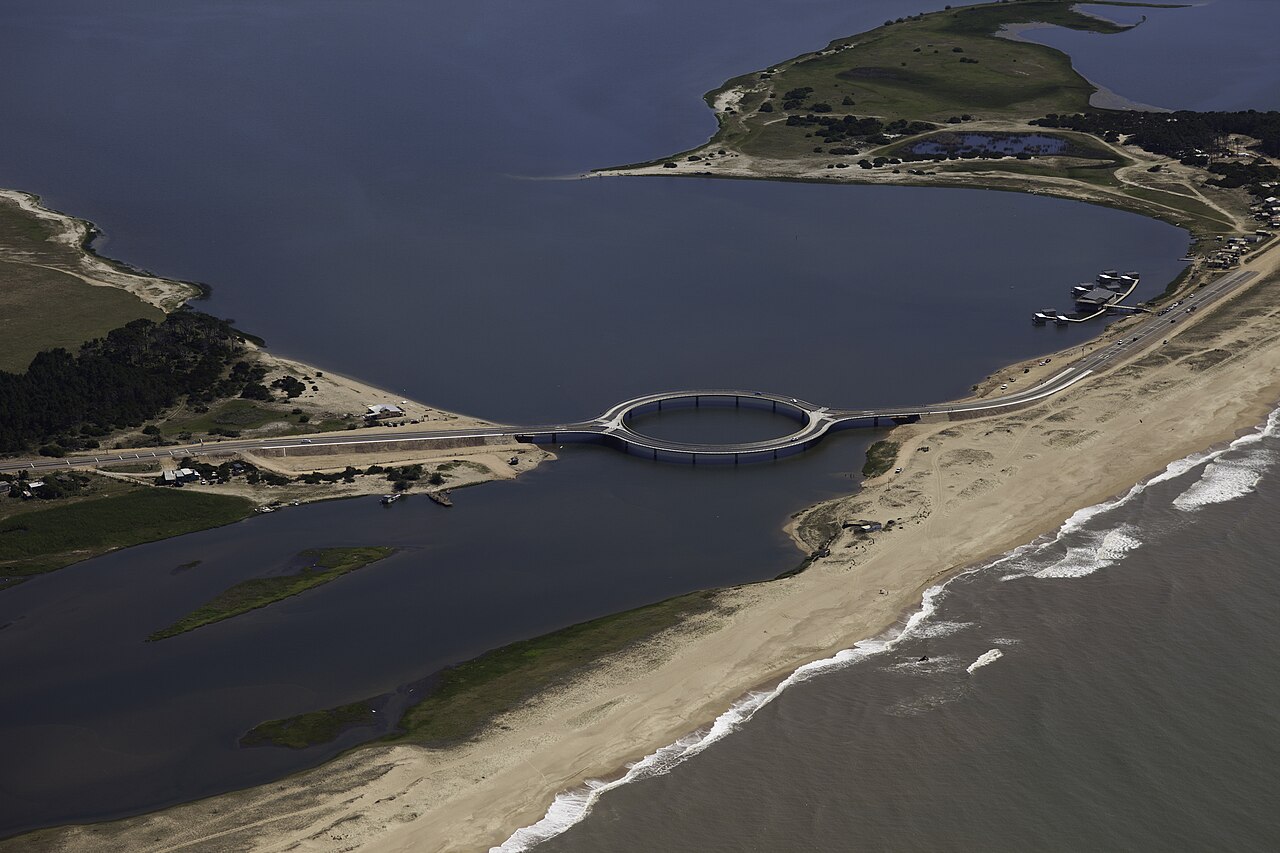
Garzón is a short drive along Ruta 12 and rural roads from the Laguna Garzón area and José Ignacio, which makes it easy to combine the village, the winery and a stop on the coast in a single day. Since much of the surrounding area is rural, renting a car or booking a private driver is the practical option, and it's worth budgeting extra time if the final stretch is on gravel. On the portal you'll find the listing for Bodega Garzón, the wine tourism section, Restaurante Garzón and the Garzón village page with the rest of what's on offer to plan your visit.
Sources: Portal Garzón — compiled from the listings and sections published on this portal; bodegagarzon.com and architecture press, consulted for the opening date, investment and building design.
Spotted an error? Write to hola@portalgarzon.com and we will fix it.