Can you go stargazing near Laguna Garzón? Yes — it's a rural area with far less artificial light than Punta del Este or Montevideo, and on a clear, moonless night you only need to step away from what little light there is to see the Southern Cross, the Magellanic Clouds and the arc of the Milky Way with the naked eye. This guide covers what you can spot, when to go, and how to book a guided outing in the area.
You don't need to be an astronomer or carry expensive gear. The Southern Hemisphere sky is different from what you'd see in Europe or North America, and much of the best of it — two neighboring galaxies, a constellation that works as a built-in compass, and the Milky Way itself — is visible without a telescope. What does help is a bit of planning: pick a moonless night, get away from the lights around the bridge and the more built-up areas, and give your eyes a few minutes to adjust to the dark.
Why the Sky Is So Dark Near the Lagoon
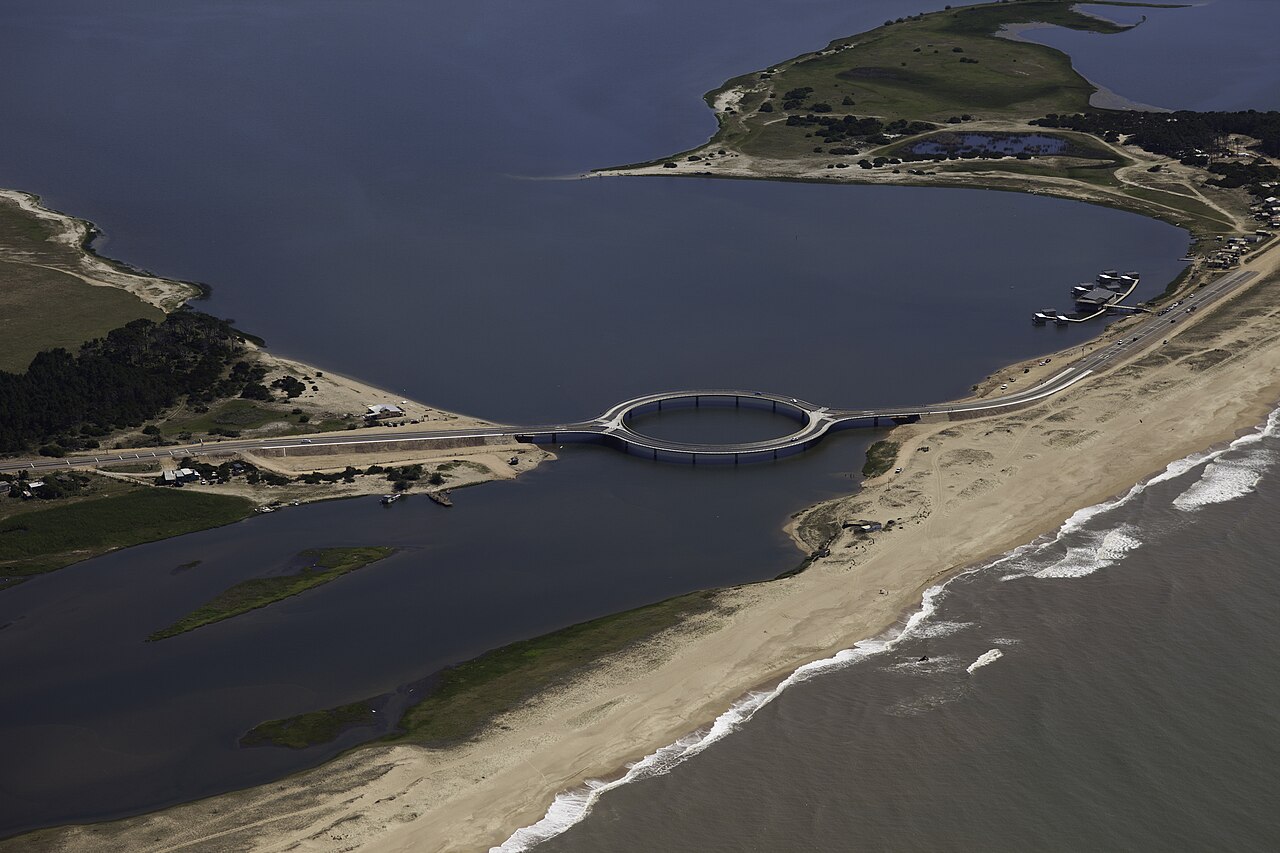
Laguna Garzón, La Juanita and the village of Garzón are low-density rural areas without the heavy street lighting of a city. That relative lack of artificial light — what astronomers call low light pollution — is exactly what lets you see, at night, things that get washed out by the glow of a big city's sky. Stargazing tourism has been growing in Uruguay as part of its rural and nature-tourism offering, and the department of Rocha — home to La Juanita and Garzón — is often cited among the country's least light-polluted. That doesn't mean any spot works equally well: it's worth moving away from the lights around the circular bridge, gas stations and the busier part of José Ignacio, and looking for an open horizon without tall trees or buildings in the way.
What You Can See With the Naked Eye
Looking south, the Southern Cross is visible nearly year-round: a small constellation of four main stars that works as a reference point, since it always points roughly toward the south celestial pole. Close to it, on a dark night, you can make out the Magellanic Clouds — two dwarf galaxies orbiting the Milky Way that are only visible from the Southern Hemisphere, one reason the southern sky draws so much interest from Northern Hemisphere visitors. On truly dark, moonless nights, you can also see the faint band of the Milky Way arcing across the sky, and constellations like Orion, Scorpius and Taurus are easy to pick out depending on the time of year. None of this requires a telescope: binoculars add detail, but the naked eye, a bit of patience and a clear sky cover most of the experience.
When to Go
The variable that matters most isn't the month — it's the moon phase. Near the full moon, its brightness washes out fainter stars and makes the Magellanic Clouds hard to spot; nights close to the new moon, on the other hand, are the best for observation, whatever the season. The lunar calendar shifts every month, so it's worth checking the moon phase for your chosen date before heading out. Beyond that, any clear night works: winter nights are longer, giving you more of a window to head out early, and pair well with a day of whale-watching or birdwatching on the same trip; summer weather tends to be more stable, with less low cloud coming in off the sea. The one thing that ruins the plan in any season is an overcast sky — without clear conditions, no amount of planning helps.
Where to Look
You don't need to go far: moving just a few minutes away from the lights around the circular bridge and the busier part of José Ignacio already makes a big difference. The La Juanita side and the countryside around the village of Garzón, with their dirt roads and sparse street lighting, tend to offer darker skies than the beach towns. Open ground, without tall trees or buildings blocking the horizon, works better than an enclosed yard. Once you're set up, it's worth turning off your phone or turning the screen brightness way down — even a small amount of white light can undo your eyes' adjustment to the dark for several minutes.
What to Bring
Warm layers, even in summer: once you're still, at night, with no wind to move things along, the temperature drop feels faster than expected, especially near the water. A blanket or a reclining chair helps you look up without straining your neck. If you have one, a red-light flashlight beats a white one — it doesn't undo your eyes' adjustment to the dark, which takes about 15 to 20 minutes and a regular light wipes out in seconds. Add repellent during mosquito season. Binoculars are optional, but they help a lot with the Magellanic Clouds and with picking out more of the Milky Way.
The Guided Option: Stargazing Tours in the Area
If you'd rather join a guide than plan your own outing, El Caracol runs a stargazing activity designed for solo travelers or families: a three-hour outing that starts at 4:30pm — so it covers the transition from sunset to full dark — led by a schoolteacher and science educator who explains what you're looking at. It works for kids and adults alike — the portal has a separate piece on planning a stargazing night with kids — and booking ahead through WhatsApp is required; the published price is UY$600 for children and UY$1,000 for adults, though it's worth confirming availability and the current rate when you book.
Practical Information
- What you can see: the Southern Cross, the Magellanic Clouds and, on dark nights, the Milky Way
- Best conditions: a clear night, close to the new moon
- Where to look: away from the bridge lights and the busier part of José Ignacio; La Juanita and the countryside near Garzón tend to be darker
- Eye adjustment: about 15-20 minutes without white light or screens
- Guided outing: El Caracol, 3 hours starting at 4:30pm, book ahead via WhatsApp
- What to bring: warm layers, a blanket, a red-light flashlight and repellent in season
Frequently asked questions
Do you need a telescope to see stars near Laguna Garzón?
No. On a clear, moonless night, you can see a good part of the show with the naked eye: the Milky Way, the Southern Cross and the Magellanic Clouds. Binoculars add detail, but they're not essential.
What's the best time of year for stargazing near the lagoon?
It depends less on the month than on the moon phase: nights close to the new moon are best in any season, since moonlight washes out fainter stars. Winter nights are longer, which gives you more time to head out.
What can you see with the naked eye around the lagoon?
The Southern Cross, visible toward the south almost year-round; the Magellanic Clouds, two neighboring galaxies only visible from the Southern Hemisphere; and, on very dark nights, the faint band of the Milky Way arcing across the sky.
Are there guided stargazing tours near Laguna Garzón?
Yes. El Caracol runs a three-hour stargazing activity led by a science educator, designed for solo travelers or families. Booking ahead through WhatsApp is required.
What should you bring on a night-sky outing?
Warm layers, since the temperature drops fast after dark even in summer; a blanket or something to sit on; and a red-light flashlight if you have one, so you don't lose your eyes' adjustment to the dark. Bring repellent during mosquito season.
Sources: Portal Garzón (previously published profile of the stargazing activity at El Caracol); stable astronomical knowledge (visibility of the Southern Cross and Magellanic Clouds from the Southern Hemisphere, the effect of moon phase on observation); light pollution and stargazing tourism as a growing rural-tourism product in Uruguay, verified with a web search on the day of publication.