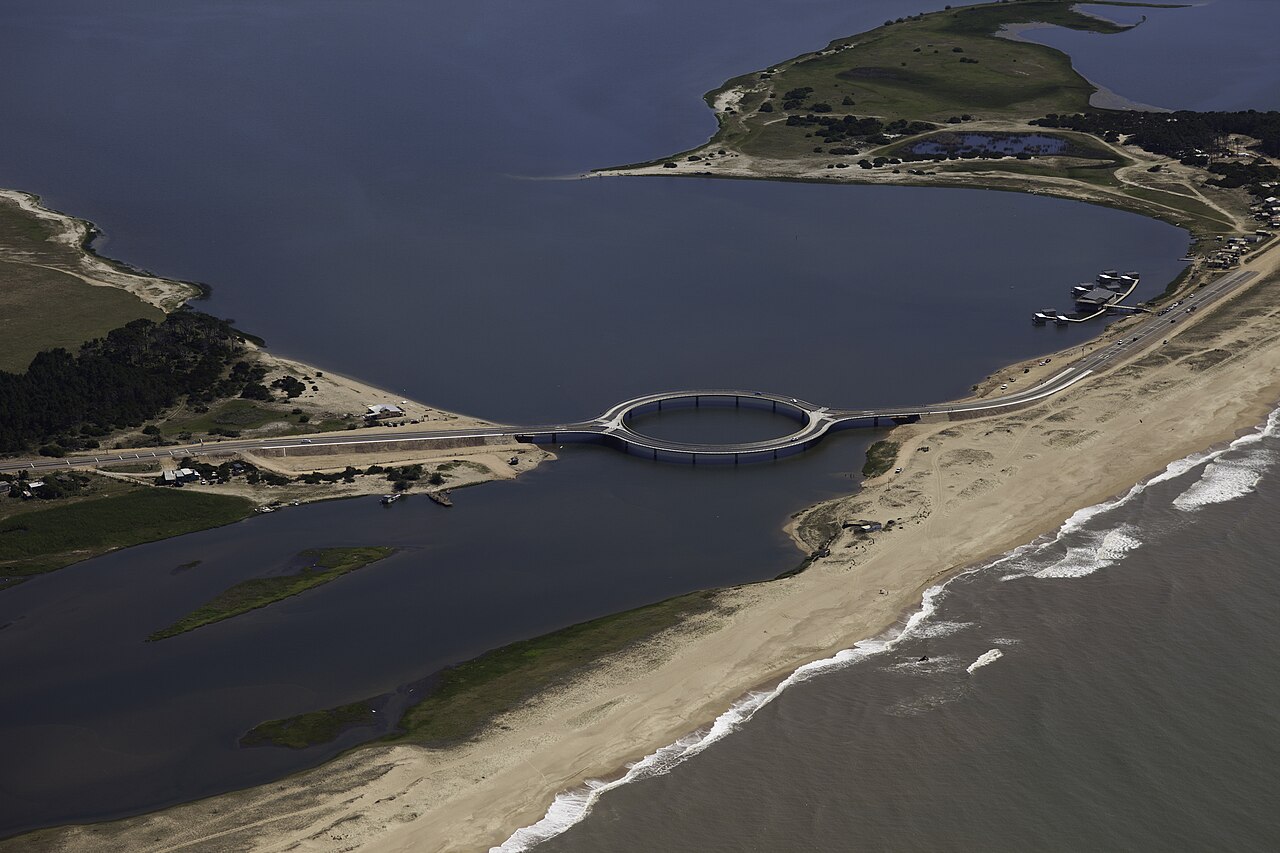
Laguna Garzón — the lagoon itself, the smaller water bodies around it, a ring of surrounding land and a strip of ocean — has been a Protected Area under Uruguay's National System of Protected Areas (SNAP, its Spanish acronym) since November 2014, in the category "Habitat and/or Species Management Area". The designation doesn't change the landscape visitors see, but it does set rules: what activities are allowed, where, and who manages the land.
The proposal to bring Laguna Garzón into the SNAP was filed by the conservation group Vida Silvestre Uruguay in late 2007, after surveying the area's natural value. Uruguay's then National Environment Directorate (DINAMA), now part of the Ministry of Environment, recognized in Laguna Garzón a representative mosaic of Atlantic-coast habitats, home to species that are a conservation priority both nationally and internationally. The designation was formalized through Decree 341/014 in November 2014: at the time, Laguna Garzón joined what were then 11 SNAP sites nationwide — the system now covers 17.
The protected area is larger than its name suggests. Besides Laguna Garzón itself, it includes Laguna Nueva, Rincón de Techera, Mansa, Larga and Chica lagoons, a ring of land parcels surrounding the water, and a stretch of the Atlantic Ocean extending six nautical miles from shore. For a general sense of how all of this sits between José Ignacio, La Juanita and the bridge, the Laguna page gives an overview of the area.
In practice, the SNAP status shows up in specific rules more than in restrictions on an everyday visit. The circular bridge crossing the lagoon, for example, was authorized in 2013 on the explicit condition that its use follow a plan consistent with the area's conservation goals — the full story is in our guide to the Laguna Garzón bridge. Kitesurfing is also regulated by specific resolutions that define zones and conditions of use on the water; the portal has more on kitesurfing on the lagoon. And if the plan is to paddle a kayak or bring your own boat, our note on kayak and boating regulations covers the exclusion zones near the bridge and the safety rules in force.
For visitors, the protected-area status boils down to a handful of common-sense rules worth keeping in mind: don't approach bird nests or colonies, don't leave trash behind, stick to marked trails and designated areas, and keep vehicles off unauthorized tracks. These are the same guidelines the portal already recommends for outings like the shoreline walk with kids or the guided walks through the protected area — nothing an attentive visitor wouldn't do anyway.
Where can you ask a specific question, report an emergency, or get up-to-date information about the protected area? The Laguna Garzón administration center serves as the local reference point, staffed by park rangers and municipal services. It's also the most direct way to confirm any rule before a specific activity, beyond what this note summarizes.
The protected status is also the underlying reason Laguna Garzón hosts so much wildlife year-round: migratory and resident birds, and in winter, right whales off the nearby ocean coast. If that interests you, our piece on birdwatching at Laguna Garzón is a good place to start planning an outing.
Sources: Ministry of Environment of Uruguay (SNAP), protected-area page; Decree 341/014 (IMPO, the official legal database); Presidencia de la República, news item of September 14, 2019; Vida Silvestre Uruguay. Links checked on October 2, 2026.
Spotted an error? Write to hola@portalgarzon.com and we will fix it.