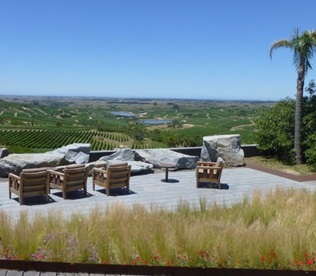
Planning a visit to Bodega Garzón and Pueblo Garzón comes down to three steps: pick a tour that fits the time you have, book ahead — every format requires advance booking — and add lunch or a walk around the village to round out the day.
This guide brings together what you need: why Garzón became a wine-tourism destination, which tours Bodega Garzón offers and how to choose between them, the olive-oil alternative at Colinas de Garzón, where to have lunch, and what else to do in the village before heading back to the coast. For the full story of the village's transformation, see the article Garzón: the village reborn through wine and food.
Why Pueblo Garzón is the region's wine-tourism hub
Pueblo Garzón, inland from the coast in the department of Maldonado, was a nearly abandoned rural settlement until Bodega Garzón arrived and changed its story. The winery, backed by businessman Alejandro Bulgheroni and opened in March 2012 after an investment of close to 85 million dollars, occupies a roughly 19,000-square-metre building designed by the Mendoza-based studio Bórmida & Yanzón, with interiors by the California-based Backen, Gillam & Kroeger, built to blend into the stony hillside landscape around the village.
Its vineyards, planted since 2008, are known for Tannat and Albariño, the region's two signature grape varieties. The project didn't stop at wine: it later added olive-oil production under the Colinas de Garzón label, with roughly 700 hectares of olive trees of varieties brought in from Italy, Spain, France, Israel and Argentina. That two-track focus — wine and oil — is what drives most of Pueblo Garzón's wine tourism today.
Bodega Garzón: which tour to choose
Bodega Garzón runs several visit formats, all requiring advance booking and subject to availability. The simplest option is a guided tour of the winery and vineyards with a tasting of the Reserva line, lasting about an hour and 15 minutes with no minimum group size; book at least a day ahead. On top of that base the winery builds a month-by-month calendar: the piece on events at Bodega Garzón during March gives a sense of how that agenda is put together.
For those with more time, the Garzón Premium Experience adds a longer tour with an extended tasting, built for groups of 4 to 12 people and running about 4 hours; this format requires 48 hours' notice. There's also the Garzón Single Vineyard Experience, a shorter tour focused on one vineyard with a parcel-wine tasting, running roughly an hour and 40 minutes. All three require booking in advance — the quickest route is WhatsApp through each experience's listing on the portal, or the winery's phone line and email. Exact pricing, availability and schedules can shift by season, so confirm them when you book.
Colinas de Garzón: the other side of wine tourism, olive oil
Olive oil is the other entry point into Garzón's agritourism scene. Colinas de Garzón runs a tour of its boutique mill and olive groves, with a tasting of three oil varietals and a distinctive finish: blending your own oil into a 250 ml bottle to take home. It's a different plan from classic wine tourism — here the olive tree is the star, with the Garzón hills as backdrop — and it pairs well as a second activity for anyone who's already done the winery or wants something quieter.
Visits require advance booking, on selected weekend dates published each season; there are no daily tours, so check available dates before building the rest of the plan around it.
Where to have lunch after the visit
Restaurante Garzón, on the winery grounds and run by chef Francis Mallmann, is the area's benchmark for high-end country cooking: open-fire technique, with a fire pit as the centrepiece of the dining room and a market menu that shifts with the season. Book ahead, especially on weekends and during peak season.
For something more casual, La Pulpería sits in the centre of the village: a late-19th-century house with a fuchsia façade, turned into a café serving homemade pastries and sandwiches, with a South American art-and-design shop in the same space. It runs year-round, unlike much of the area's dining scene, which only opens in season.
Beyond the wine: the rest of Pueblo Garzón
With just over two hundred residents, Garzón keeps the square, the church and the dirt streets of an inland village, even with the steady arrival of visitors. Craft fairs and art shows tend to pop up on weekends, and once a year the village hosts a rural film and art festival; dates vary from year to year, so confirm them with the organisers before you travel.
The grape harvest has its own festival at Bodega Garzón, with hand-picked grapes and an open-fire lunch by Mallmann's team among the vines: it's usually held during harvest season, between February and March. It's a one-off event with limited capacity, so keep an eye on the winery's channels for each year's date.
Getting there and when to go
Pueblo Garzón sits inland, under an hour's drive from the José Ignacio and Laguna Garzón coast, via Route 12 and rural roads. There's no public transport linking the coast to the village, so the trip means your own car or a private driver; allow extra time if the final stretch is unpaved and it's rained recently.
Wine tourism runs year-round, though the harvest (February–March) and the milder seasons are the busiest times to walk the vineyards. Winery visits stay available in winter too, and pair well with whale season along the coast; the winter guide to José Ignacio and Laguna Garzón puts together that full plan. If wine tourism is one stop in a longer day around the area, the guide to a day at Laguna Garzón shows how to combine it with the coast, the lagoon and the circular bridge.
Practical facts
- Getting there: Route 12 and rural roads from José Ignacio or Laguna Garzón; under 1 hour by car
- Booking: required for every Bodega Garzón format and for Colinas de Garzón
- Bodega Garzón tours: classic tour (~1h15), Garzón Premium Experience (~4h, groups of 4-12), Single Vineyard Experience (~1h40)
- Signature grapes: Tannat and Albariño
- Olive oil: Colinas de Garzón, roughly 700 ha of olive trees, visits on selected weekend dates
- Lunch: Restaurante Garzón (Mallmann, book ahead) or La Pulpería (casual, year-round)
- When to go: year-round; harvest (February-March) and milder seasons are busiest
Frequently asked questions
Do you need to book ahead to visit Bodega Garzón?
Yes. All three tour formats (the classic tour, the Garzón Premium Experience and the single-vineyard experience) require advance booking, usually at least a day ahead, or 48 hours for the longest format. Confirm availability, length and current pricing when you book.
How long does a visit to Bodega Garzón take?
It depends on the format: the classic tour with tasting runs about an hour and 15 minutes, the single-vineyard experience takes roughly an hour and 40 minutes, and the Garzón Premium Experience, built for groups, runs about 4 hours.
Are there other wine-tourism experiences in Garzón besides Bodega Garzón?
Yes. Colinas de Garzón offers olive-oil tourism: a tour of its olive groves and boutique mill, with an oil tasting and the chance to blend your own bottle. It's a different angle centred on olive oil, with advance booking and selected weekend dates.
Where can you have lunch in Pueblo Garzón?
Restaurante Garzón, run by chef Francis Mallmann, is the main option, with open-fire cooking and advance booking recommended. For something more casual, La Pulpería offers coffee, homemade pastries and sandwiches in the centre of the village, and it's open year-round.
How long does it take to reach Pueblo Garzón from the coast?
Under an hour by car from José Ignacio or Laguna Garzón, via Route 12 and rural roads. There's no public transport to the village, so you'll need your own car or a private driver.
Sources: bodegagarzon.com and architecture/wine-tourism press (opening, investment, building design); Portal Garzón — listings and articles already published on this portal (Bodega Garzón, Garzón Premium Experience, Garzón Single Vineyard Experience, Colinas de Garzón, Restaurante Garzón, La Pulpería, Fiesta de la Vendimia, Pueblo Garzón).
Spotted an error? Write to hola@portalgarzon.com and we will fix it.